
The Practice I Abandoned When I Could No Longer Tolerate Being a Beginner
I haven't danced in five months. Here's what that's actually about.

While writing this, I stopped and texted my dance coach to book a session next week. I hadn’t planned to, but something about putting the words on the page made the avoidance impossible to maintain. That’s either what honesty does, or what shame does when you finally look at it directly. Probably both.
I used to compete in ballroom dancing, not at a professional level, but seriously enough that it required real commitment: the lessons, the practice, the costumes, the competitions. It was the thing that existed completely outside my identity as a technology executive. On the dance floor, my title meant nothing, my LinkedIn profile meant nothing. What mattered was whether my body could feel the music and respond. For someone who lives almost entirely from the neck up, that was not a small thing. It was necessary.
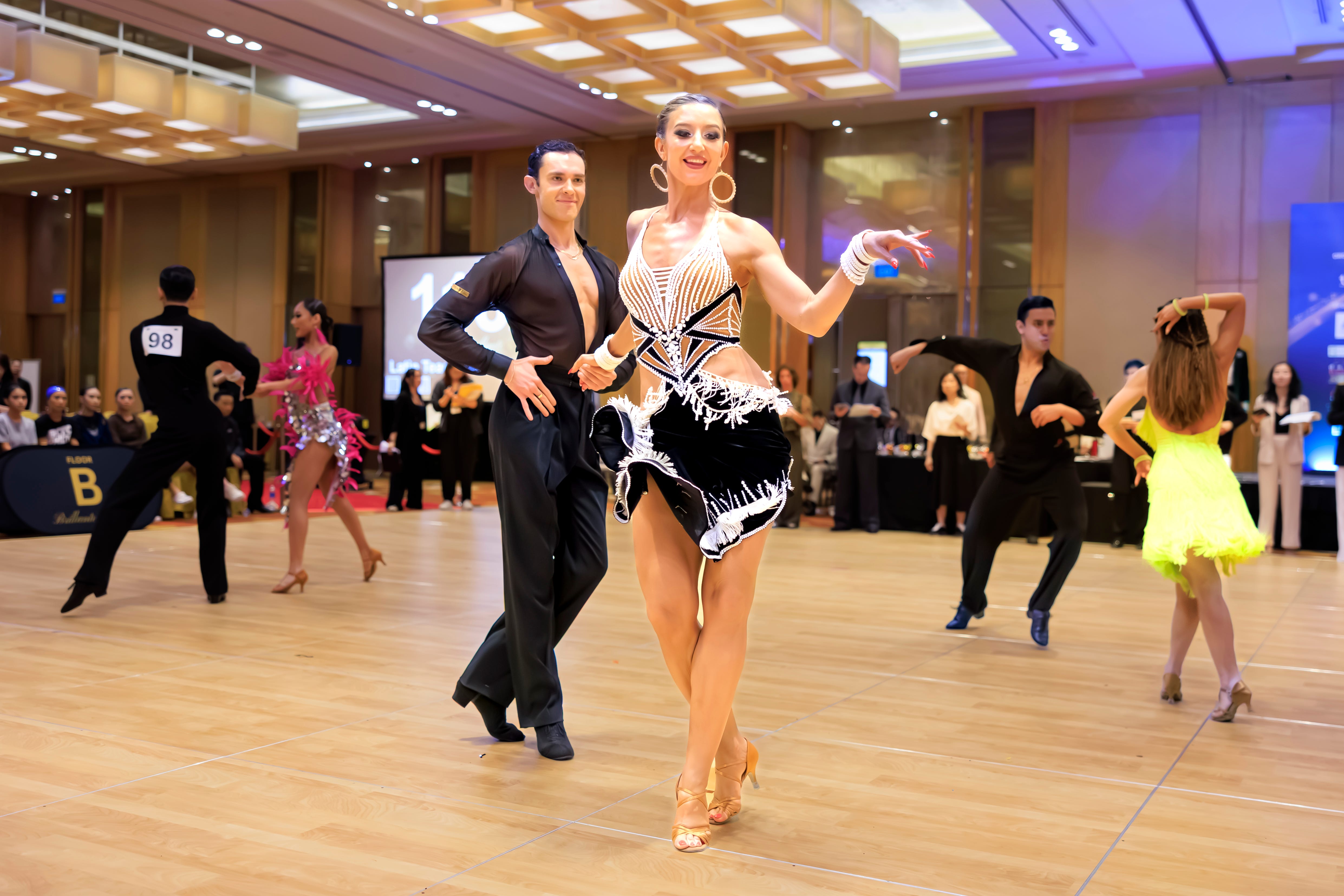
I haven’t been to the studio in five months. Before that, it was occasional. Before that, it was regular. The regression happened so gradually I barely noticed until I realized I couldn’t remember the last time I danced and felt nothing in particular about that fact. Which is its own kind of signal.
Here’s what I’ve been telling myself: I don’t have time. I’ve been focused on my health. The timing isn’t right. I want to get back to a certain fitness level first.
All of that is true. None of it is the reason.
The real reason is simpler and less flattering. I’m afraid of going back and discovering how much I’ve lost. Technique that took years to build. Muscle memory that has quietly faded. A body that moved a certain way twelve months ago and doesn’t move that way now. I gained weight over the winter. I’ve been dealing with health things that left me feeling more like a system to be managed than a person to be inhabited. And the thought of walking into that studio, where my coaches last saw a version of me that was more capable, more practiced, more physically confident, and having them see the gap between that version and this one?
I’d rather not go.
At my last competition in April 2025, my heel caught in my dress mid-dance and tore the skirt. I had no choice, I untangled the skirt from the heel and kept dancing, smiling, moving through the choreography with the back of my dress ripped open, as if that was exactly what I had planned. The judges saw it. The audience saw it. I finished the dance.
I tell that story now and think: I survived that. And yet I cannot make myself walk into a private studio session with one coach who already knows me, because I don’t want him to see that I’m not as good as I used to be.
That's perfectionism in its least glamorous form. Not the kind that drives excellence. The kind that would rather abandon the thing entirely than be seen working its way back.
I’ve been thinking about this alongside something my executive coach said to me during our session last week. She said that when consciousness is not in the body, the body doesn’t feel safe. She was talking about mindfulness, about presence, about the way high-performing people tend to live almost entirely in the future (planning, optimizing, anticipating) or the past (analyzing, regretting, explaining). Rarely in the present. Rarely in the body.
The dancing was never really about dancing. It was the one practice I had that forced me back into my body, literally. You cannot dance Latin while thinking about your quarterly targets. The music doesn’t allow it. Your partner’s lead doesn’t allow it. Your feet, if they’re going to land in the right place, require your full attention in the present moment. For two hours, I was not a technology executive with a long to-do list. I was just a body, moving, feeling, responding, present.
The thing about the things we abandon is that we rarely abandon them all at once. We just keep deferring them. Next month. After this project. When things settle. When I feel more ready. And then one day we look up and it’s been five months and the gap between who we were and who we are has quietly become the reason we can’t go back.
I don’t think the gap is the real obstacle. I believe the gap is the excuse that protects us from a fear of being a beginner again at something we once did well. Having to earn back ground we already covered. Tolerating being seen mid-regression by someone who knew us at our best.
But here’s what I know from the times in my life when dancing pulled me through — after I had my child and couldn’t feel my body the way I used to, after the times when my mind was so full there was no room for anything else — it didn’t require me to be good. It just required me to show up. The body remembers more than we think, and what it forgets, it can relearn. The muscle memory isn’t gone. It’s waiting.
So I texted my coach. Next week — private session.
I’ll probably be worse than I was a year ago. My coach will see that immediately and say nothing because he’s a professional and a kind person. I'll feel the hesitation in my body. Moves that used to be automatic will require effort. But if I stay long enough, something will start coming back. Not all at once. But enough.
Now, the question I'm sitting with: what else have I quietly abandoned rather than be seen working my way back?
I suspect the answer is more than just dancing.